
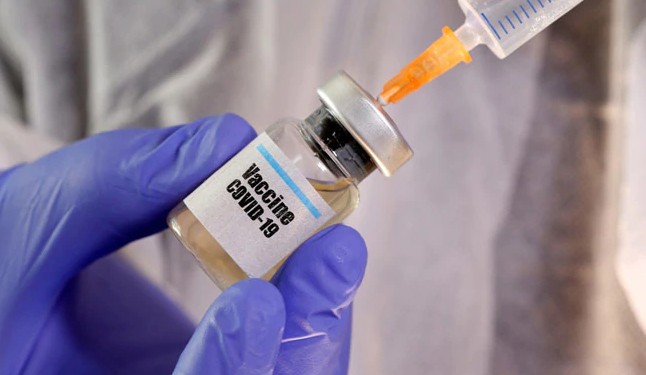
The development of COVID-19 vaccines was a major breakthrough in the effort to take the dangerous bull by the horn. With millions of people dead, the health sector and the world economy turned upside down, COVID-19 vaccines have proven useful to the process of restoring the world close to what it was before the pandemic.
While this pandemic has left a significant mark on history, it could worsen if we do not find a permanent solution. There have been a lot of falsehoods and misconceptions concerning COVID-19 and its vaccine, Trust Nigerians not to sit out from a conversation they are not conversant with. This article will explore COVID-19 vaccines and other ways to protect yourself.
What Are Vaccines and How Do They Work?
Vaccines are biochemical preparations that stimulate the body to produce some form of defence against certain disease-causing organisms. There are various forms of vaccines. However, the end goal is often similar. Vaccines could contain an agent that looks like the disease-causing organism, a weakened/killed form of the disease-causing organism, toxins from the organism, or a protein found on the organism.
Vaccines influence the body defence mechanism called the immune system. The immune system is made up of cells, chemicals, barriers, pathways, proteins, etc., that protect the body against harmful organisms and their toxins. Some of these elements are from birth. We acquire others as we grow up.
Most vaccines are given as an injection, but some are available in oral forms that are taken through the mouth. Once it gets into the body, the immune system recognises it as a threat and deploys cells and chemicals to destroy the threat. Some of these cells acquire a memory of the threat such that if the organism ever gets into the body again, the immune system can easily and quickly deploy agents to take care of it.
The first vaccine ever developed was by Edward Jenner, who discovered that milkmaids infected with cowpox did not come down with smallpox. This observation led to the development of the smallpox vaccine from cowpox that would eventually lead to eradicating the disease, saving millions of lives.
The Types of COVID-19 Vaccines

Read also: What We Know About COVID-19 So Far
The advent of COVID-19 was a clarion call that started a race by pharmaceutical companies, researchers, institutions, and governments to create the first vaccine since there was no effective treatment regimen.
There are different types of COVID-19 Vaccines approved worldwide. Some of these vaccines require one shot, while others require a second shot.
Oxford/AstraZeneca: It offers an efficacy of 63.08%. It is one of the vaccines widely administered in Nigeria. You will be required to take two doses 8 to 12 weeks apart. It is only given to people who are over 18 years.
Pfizer: This is appropriate for people who are 12 years and above. It requires two shots taken three weeks apart. You are considered fully vaccinated two weeks after your second shot. People who have some form of problems with their immune system (immunocompromised) might be required to take another dose four weeks after their second shot.
Moderna: This is an mRNA vaccine is administered to people that are18 years and older. It requires two shots given four weeks apart. You are considered fully immunised after two weeks of your second shot.
Johnson and Johnson: Like Modena, it is also an mRNA vaccine administered in one dose. A single dose has an efficiency of 66.9%.
Side Effects of COVID-19 Vaccines

Read also: COVID-19 Vaccines 90% Effective Against Death
Each COVID-19 vaccine has its own side effects. Most of the time, these side effects are mild and would subside after taking paracetamol or a couple of days. Some of the common side effects to expect after taking the shot includes:
- Pain
- Redness
- Swelling at the injection site
- Tiredness
- Fever
- Headache
- Nausea
- Diarrhoea
- Muscle pain
- Chills
That said, are COVID-19 vaccines considered safe? Why are people still contracting COVID-19 after taking the vaccine? Do they protect against the new variants? Can a pregnant woman take the COVID-19 vaccine? What other questions do you have about COVID-19 vaccines? We will be answering frequently asked questions in our next article on COVID-19. Stay tuned.
While you wait, here are other preventive measures recommended by various health authorities across the world.
- Avoid using public surfaces like doorknobs, counters, stair rails: The Coronavirus can survive on these surfaces for long hours (sometimes up to 72 hours). Where it is possible, avoid touching these surfaces.
- Clean and disinfect these surfaces, toys, and furniture.
- Keep your hands away from your face: Your mouth, eyes, and nose are possible portals of infection by the virus that might be on your hand already.
- Proper and washing: Mild soap kills COVID-19. Handwashing for 20 seconds under running water with the appropriate technique is effective in preventing the infection. You can hum the “happy birthday” song twice or ABC to know how long 20 seconds is.
- Use an alcohol-based hand sanitiser when you cannot wash your hands. Please note, handwashing is more effective than using hand sanitisers, according to the CDC.
- Avoid hugging and shaking hands.
- Ensure social distancing: When infected people talk or sneeze, they release the virus into the air. Maintaining a space of 6 feet or 2 m from others whenever you are in public significantly reduces the risk of contracting the disease.
- Wear your nose mask appropriately. Leaving your nose mask on your chin or not covering your and nose is as good as not using a nose mask. A nose mask prevents an infected person from spreading the virus and an infected person from contracting it.
- Avoid crowded and poorly ventilated places.
- Cough and sneeze into your bent elbow or a clean napkin and dispose of it. If you are wearing a mask, cough into the mask, dispose of it, wash your hands, and wear a new mask.
Follow Naija.fm on our social media handles Facebook, Instagram, and Twitter to keep up with trending news, breaking news, entertainment news, and hot gist.


